Magic: The Gathering (MTG) is not just a game—it’s a vibrant collectible card market where individual card values can range from pennies to thousands of dollars. Understanding how to assess a card’s value is essential, whether you’re building a deck, trading with friends, or selling cards to grow your collection. This guide will walk you through the factors influencing card prices and how to navigate the market with confidence.
Exploring Online Marketplaces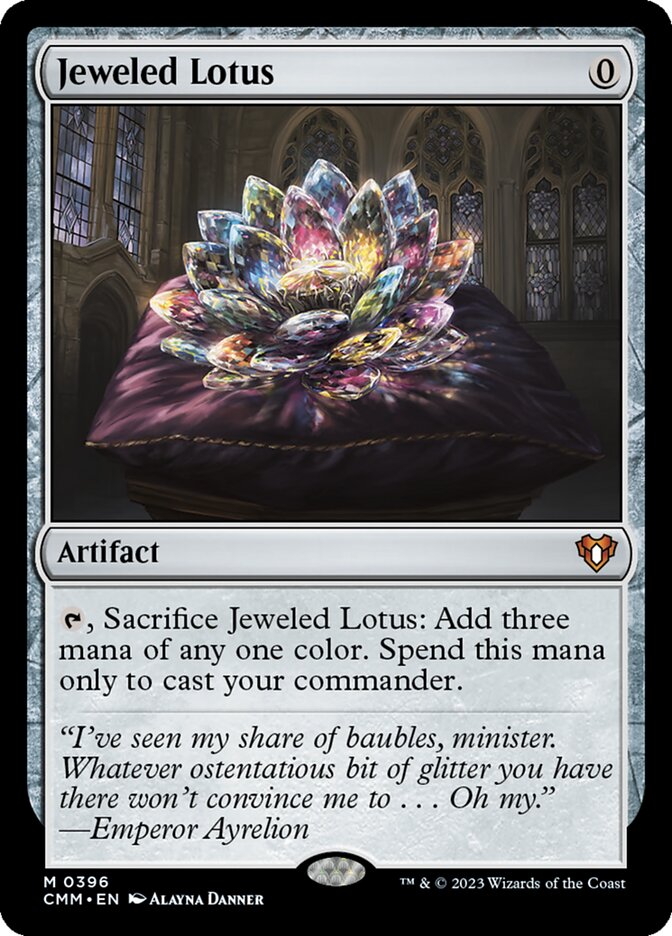
The easiest and most efficient way to determine a card’s value is by consulting reliable online marketplaces. Websites such as [url]https://scryfall.com[/url] and [url]https://tcgplayer.com[/url] are staples in the Magic community, offering up-to-date pricing information for cards. For players in Europe, [url]https://cardmarket.com[/url] provides detailed listings that reflect local market conditions.
Pro Tip: When searching for a card, always specify its condition and version. A foil or special edition card may be worth significantly more than its standard counterpart. Tools like MTGGoldfish ([url]https://mtggoldfish.com[/url]) not only track prices but also provide historical trends, helping you understand whether a card’s value is likely to rise or fall.
 The Impact of Print Details
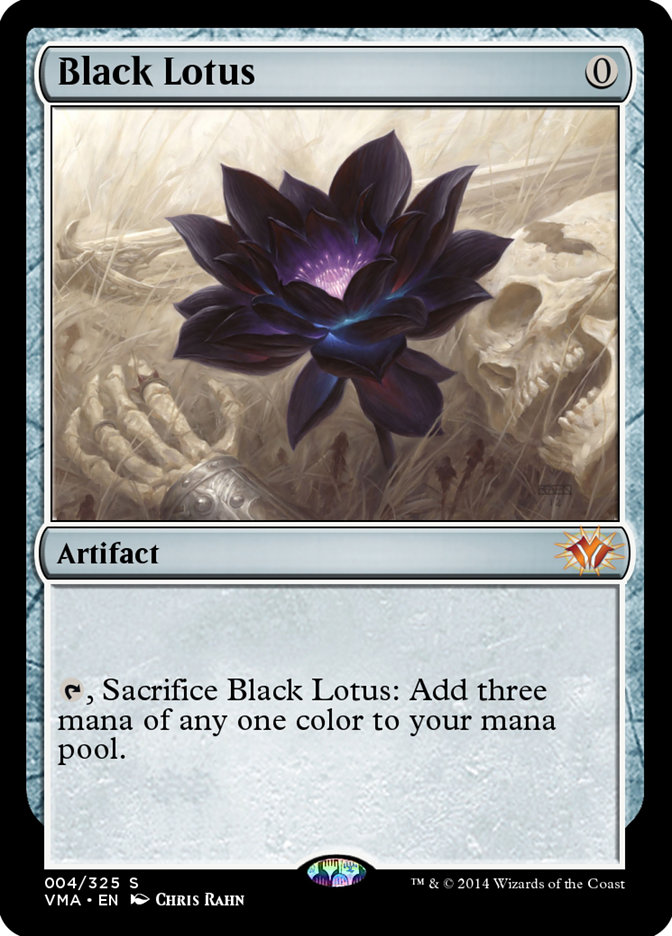
A card’s set, rarity, and printing play a major role in determining its value. The set symbol, located on the right side of the card’s text box, reveals which Magic expansion the card belongs to. Older sets like Alpha or Legends generally carry higher value due to scarcity. Rarity is another critical factor. Cards are categorized as:
- Common: Marked by a black set symbol. These cards are typically the least valuable but can occasionally be worth more if they see widespread play in formats like Pauper.
- Uncommon: Denoted by a silver set symbol. Slightly rarer than commons, uncommons often serve as format staples or utility pieces.
- Rare: Represented by a gold set symbol. These cards are much less common in booster packs and often have higher value.
- Mythic Rare: Identified by an orange-red set symbol. Introduced in 2008, these cards are rarer than rares and frequently have premium prices, especially if they’re playable in competitive formats.
Foil and Alternate Versions
Special printings, such as foils, borderless variants, and showcase versions, often fetch higher prices. For example, a Borderless Jeweled Lotus can be worth significantly more than the standard version due to its premium artwork and rarity.