Assessing Condition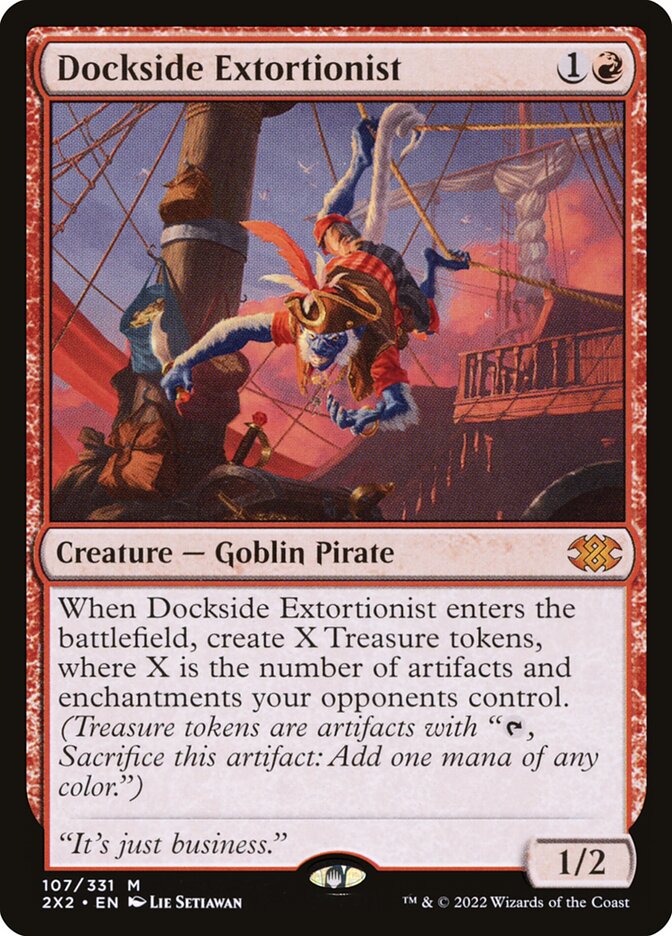
The physical condition of a card directly impacts its value. Cards are typically graded as:
Near Mint (NM): Virtually flawless with no visible wear. These are the most desirable.
Lightly Played (LP): Slight wear but still in excellent condition.
Moderately Played (MP): Noticeable wear but structurally intact.
Heavily Played (HP): Significant wear, including creases or heavy scuffing.
Damaged: Cards with tears, water damage, or other major defects.
Pricing platforms like TCGPlayer allow you to filter listings based on condition, ensuring you pay a fair price whether buying or selling.
The Role of Demand and Playability
A card’s value often correlates with its playability in popular formats like Standard, Modern, or Commander. Cards like Dockside Extortionist, a Commander staple, maintain high prices because they are in constant demand. Conversely, cards banned in major formats, such as Oko, Thief of Crowns, can lose value quickly.
Checking online metagame trackers or tournament results can help identify trending cards. Websites like MTGGoldfish provide insights into which cards are staples and which ones are fading in popularity.
Scarcity and Historical Trends
Some cards are valuable simply because they are hard to find. Reserved List cards like Black Lotus and Gaea’s Cradle, which will never be reprinted, are prime examples. Other factors, like limited print runs (e.g., Secret Lair exclusives or old-border foils), add to a card’s scarcity and value.
Reprints also play a critical role in price fluctuations. A card like Doubling Season saw a drop in value after being reprinted in Double Masters, but its price began recovering as demand outpaced supply.
Tools to Track Value
Modern apps make it easier than ever to monitor card prices. Tools like MTG Familiar and Delver Lens allow you to scan cards and get instant pricing. These apps integrate with platforms like TCGPlayer and Cardmarket, ensuring up-to-date and accurate data.
Trading and Selling Locally
While online platforms offer convenience, local game stores (LGS) and in-person events provide opportunities for trading. Building relationships with store staff and fellow players can lead to fairer deals and a stronger community presence.
Authentication and Misprints
High-value cards require extra scrutiny. Counterfeits are becoming increasingly sophisticated, so be sure to check for:
Border Alignment: Misaligned borders are often a sign of fakes.
Card Texture: Authentic Magic cards have a specific feel that counterfeits may lack.
Holographic Stamp: Present on modern rares and mythics, this security feature is often absent on fakes.
For misprints, collectors may pay a premium for unique errors, but values can vary significantly.
Conclusion
Determining the value of an MTG card is both an art and a science. By leveraging online resources, understanding print details, and keeping an eye on market trends, you can make informed decisions when buying, selling, or trading cards. Whether you’re a casual player or a seasoned trader, these tools and insights will help you navigate the intricate world of Magic: The Gathering with confidence.